

Shilajit is one of the most popular natural supplements in men’s health, Ayurveda and performance wellness. It is commonly promoted for energy, stamina, libido, testosterone, fertility, gym recovery, brain health and anti-aging. But the real question is: does Shilajit really work, or is it just overhyped marketing?
The scientific answer is balanced. Purified Shilajit may work for certain outcomes, especially antioxidant support, testosterone support in some men, fatigue reduction and general vitality. However, it is not a magic cure. It should not be promoted as a guaranteed treatment for erectile dysfunction, infertility, low testosterone, Alzheimer’s disease, diabetes or sexual weakness.
Shilajit is a natural herbo-mineral substance that forms in mountain rocks over long periods. It contains fulvic acid, humic acid, minerals, trace elements and other organic compounds. Its quality depends heavily on source, purification, fulvic acid content and testing for heavy metals. The transcript source also explains that real Shilajit is naturally limited and that adulterated products may contain coal tar, mineral pitch, organic waste, plant matter or artificial coloring.
So, Shilajit may be useful, but only when it is original, purified, tested and used correctly.
TABLE OF CONTENTS
What Is Shilajit?
Shilajit is a dark brown to black, sticky, resin-like substance that seeps from rocks in high mountain regions, especially during warm weather. It is traditionally used in Ayurveda as a rasayana, meaning a rejuvenating substance used to support strength, vitality and longevity.
It is found in the Himalayas and other mountain regions such as Russia, Mongolia, Central Asia and South America. In different regions, Shilajit may also be known as mumiyo or mumie. The source transcript explains that Shilajit is not only found in India but also in countries with high mountain ranges, where it has been used traditionally as a natural booster.
Scientifically, Shilajit is not one single compound. It is a complex natural mixture containing humic substances, fulvic acid, minerals, trace elements and plant-derived bioactive compounds.
How Is Shilajit Formed?
A common search query is “how is Shilajit formed?”
Shilajit is believed to form over long periods from decomposed plant material, microbial matter and minerals trapped inside mountain rocks. Over time, pressure, heat, rain, microbial action and mineral interaction transform this material into a dense, resin-like substance. During summer or warmer months, it may soften and seep from cracks in rocks.
This is why original Shilajit is naturally limited. It is not produced quickly like a crop or factory-made supplement. Its composition also varies depending on altitude, geography, vegetation, mineral profile and purification method.
What Makes Shilajit Biologically Active?
The main scientifically discussed components of Shilajit include:
- Fulvic acid
- Humic acid
- Dibenzo-alpha-pyrones
- Phenolic compounds
- Minerals
- Trace elements
- Organic acids
- Plant-derived transformation products
Among these, fulvic acid is considered one of the most important active fractions because it is water-soluble and may contribute to antioxidant and absorption-related effects. The transcript also explains that the water-soluble part of Shilajit is largely associated with fulvic acid and that this is considered one of the active parts of Shilajit.
A recent scientific analysis of native Himalayan Shilajit identified fulvic acid, dibenzo-alpha-pyrones and phenolic compounds, while also noting that many therapeutic claims require further targeted validation.
Does Shilajit Really Work?
Yes, Shilajit may work, but not in the exaggerated way many advertisements claim.
A realistic scientific summary would be:
Shilajit may support antioxidant activity, testosterone levels in some men, energy metabolism, fatigue, fertility markers and cognitive health. However, the evidence is still limited for many claims, and Shilajit should not be treated as a guaranteed cure for erectile dysfunction, infertility, low testosterone, memory loss or chronic disease.
In other words, Shilajit is a supportive supplement, not a miracle medicine.
1. Does Shilajit Increase Testosterone?
This is one of the strongest and most searched claims around Shilajit.
A randomized, double-blind, placebo-controlled clinical study evaluated purified Shilajit in healthy men aged 45–55 years. The dose used was 250 mg twice daily for 90 days. The study reported significant increases in total testosterone, free testosterone and DHEAS compared with placebo.
The transcript also mentions that people who were given Shilajit showed higher testosterone levels, which is why Shilajit is often associated with libido and sexual power.
However, this does not mean Shilajit will increase testosterone in every man. The available clinical evidence is limited, and the effect may depend on age, baseline hormone levels, product quality, dosage, duration and overall health.
Scientific conclusion:
Shilajit may support testosterone in some men, but it should not replace hormone testing or medical treatment for low testosterone.
2. Does Shilajit Improve Libido and Sexual Performance?
Shilajit is widely used for male libido, stamina and sexual performance. Its possible benefits may come from testosterone support, antioxidant effects, mineral content and improved fatigue.
However, libido and erectile function are different. A man may have good libido but poor erection due to diabetes, vascular disease, venous leak, nerve damage or psychological stress.
Shilajit may help some men feel more energetic or sexually active, but it is not a proven cure for erectile dysfunction. Erectile dysfunction should be evaluated medically, especially when it is persistent or associated with diabetes, high blood pressure, heart disease or low testosterone symptoms.
Scientific conclusion:
Shilajit may support libido and vitality, but it should not be marketed as a guaranteed ED treatment.
3. Does Shilajit Help with Energy and Fatigue?
Many people take Shilajit for low energy, weakness, gym performance and fatigue. This claim has biological plausibility because Shilajit contains minerals, fulvic acid and antioxidant compounds that may support cellular function.
Oxidative stress is one reason people experience poor recovery, low stamina and fatigue. The transcript highlights Shilajit’s antioxidant role through fulvic acid and describes it as helpful for repair, healing and reducing oxidative damage.
Health literature also commonly discusses Shilajit for possible support in energy, muscle strength, fatigue and exercise performance, although evidence quality varies and more high-quality human trials are needed.
Scientific conclusion:
Shilajit may help with fatigue and general vitality in some people, but fatigue caused by thyroid disease, anemia, diabetes, sleep apnea, depression, liver disease or kidney disease requires medical diagnosis.
4. Does Shilajit Work as an Antioxidant?
This is one of the more scientifically plausible benefits of Shilajit.
Fulvic acid and phenolic compounds in Shilajit may help neutralize oxidative stress. Oxidative stress is involved in aging, inflammation, fatigue, poor sperm health, metabolic disease and tissue damage.
The transcript strongly emphasizes the antioxidant property of Shilajit, particularly because fulvic acid is water-soluble and can be absorbed after consumption.
Scientific analysis of Shilajit has identified antioxidant-associated compounds such as fulvic acid and phenolic components. However, antioxidant activity in laboratory studies does not automatically mean it cures disease in humans.
Scientific conclusion:
Shilajit has antioxidant potential, but antioxidant support should not be confused with disease treatment.
5. Does Shilajit Improve Brain Health and Memory?
Shilajit and its component fulvic acid have been studied for possible neuroprotective properties. One study reported that fulvic acid inhibited tau protein aggregation and promoted disassembly of preformed tau fibrils in vitro. Tau aggregation is relevant to Alzheimer’s disease research.
The transcript also mentions that Shilajit is being studied for neuro-enhancement, memory, focus and age-related mental weakness.
However, this evidence is not enough to claim that Shilajit treats Alzheimer’s disease, dementia or memory disorders. Much of the brain-health evidence is preclinical, mechanistic or early-stage.
Scientific conclusion:
Shilajit may have neuroprotective potential, but it is not an approved treatment for Alzheimer’s disease, dementia or neurological disorders.
6. Does Shilajit Help Male Fertility?
Shilajit may support male fertility indirectly through antioxidant effects, mineral support and possible testosterone support. Oxidative stress is known to affect sperm quality, and antioxidants may support sperm parameters in selected cases.
However, infertility is complex. Low sperm count, poor motility, varicocele, hormonal imbalance, infection, smoking, obesity, heat exposure and genetic factors can all contribute.
Scientific conclusion:
Shilajit may be a supportive supplement for male fertility, but infertility requires semen analysis, hormone testing and specialist evaluation.
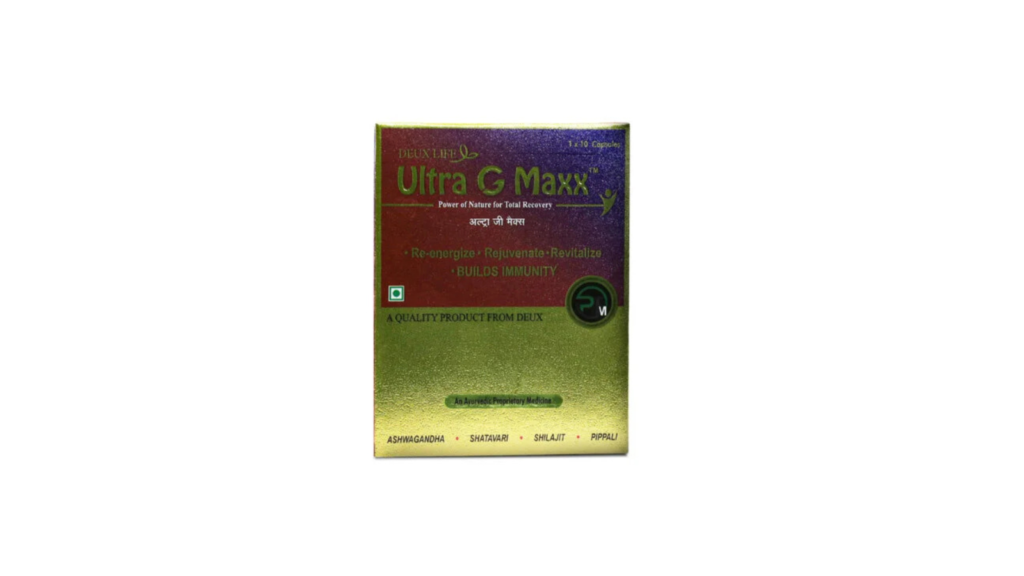
How to Identify Original Shilajit
Because the Shilajit market is highly adulterated, knowing how to identify original Shilajit is essential.
The transcript clearly states that Shilajit is sold in massive quantities, while genuine natural production is limited. It also warns that adulterants may include coal tar, mineral pitch, organic waste, plant products and artificial dyes.
1. Buy Purified Shilajit, Not Raw Shilajit
Raw Shilajit should not be consumed directly. It can contain soil, microbes, sand, fungal contamination and heavy metals.
A safe Shilajit product should be purified and tested. Health sources caution that Shilajit may contain heavy metals and that only purified products should be considered.
2. Check Third-Party Lab Testing
The best way to identify authentic Shilajit is not by taste or smell. It is by lab testing.
A good product should provide:
- Certificate of Analysis, also called COA
- Heavy metal testing
- Lead, arsenic, mercury and cadmium limits
- Microbial testing
- Fulvic acid percentage
- Batch number
- Source information
- Purification method
Heavy metal contamination is one of the biggest safety concerns with Shilajit. A review on Shilajit and heavy metals highlights the need to understand heavy metal profiles, toxicity risks and safety mechanisms.
3. Prefer Resin Form, But Only If Tested
Traditional Shilajit is usually resin-like. The transcript states that resin form is considered better than powder capsules, which may be less reliable.
However, resin alone does not guarantee purity. A lab-tested capsule may be safer than an untested resin. The most important factor is not the form, but purification and testing.
Best rule:
Choose purified, batch-tested Shilajit resin or a standardized extract from a reputable brand.
4. Water Solubility Test Can Help, But It Is Not Enough
A popular purity test is to put a small amount of Shilajit in warm water. Genuine Shilajit should partly dissolve and turn the water brown or golden-brown because its fulvic acid-rich fraction is water-soluble.
But this test is not foolproof. Artificial dyes can make fake Shilajit appear soluble. Therefore, water testing can be a basic screening method, but it cannot replace lab testing.
5. Avoid Products with Unrealistic Claims
Avoid brands that claim:
- “Cures erectile dysfunction permanently”
- “Boosts testosterone instantly”
- “100% sexual power”
- “Works in 7 days”
- “Cures infertility”
- “No side effects”
- “Reverses aging completely”
- “Treats Alzheimer’s”
These are marketing claims, not responsible medical claims.
Shilajit Safety and Side Effects
Shilajit can be unsafe if it is raw, contaminated, adulterated or taken in excessive quantity.
Possible side effects include:
- Nausea
- Acidity
- Loose stools
- Headache
- Allergy
- Restlessness
- Heat sensation
- Liver strain
- Kidney stress
- Heavy metal toxicity
The transcript also warns that because Shilajit can contain high mineral content, regular users should be cautious about liver health and liver function testing.
Independent and health sources also warn that Shilajit can contain heavy metals such as lead, arsenic, mercury and cadmium, especially if unpurified or poorly tested.
READ ALSO
- Delay Spray for Men: Benefits, Risks, and Proper Usage
- Himcolin Gel: Benefits, Usage, and Alternatives
- How to Stop Masturbation : 10 Proven Methods and Their Amazing Benefits
- Top 5 Medicines to Increase Sex Timing for Better Performance
Who Should Avoid Shilajit?
People should avoid Shilajit or consult a doctor first if they have:
- Liver disease
- Kidney disease
- High uric acid or gout
- Iron overload
- Heart disease
- Uncontrolled blood pressure
- Pregnancy
- Breastfeeding
- Autoimmune disease
- Cancer treatment
- Blood thinner use
- Hormone therapy
- Multiple prescription medicines
Pregnant and breastfeeding women should be especially careful because contaminated supplements may expose the mother or baby to heavy metals.
Is Shilajit Worth Taking?
Shilajit may be worth considering if:
- It is purified
- It is lab-tested
- It has a valid COA
- Heavy metals are within safe limits
- You are using it for general vitality, fatigue or wellness support
- You understand that it is not a cure
- You have no medical contraindications
Shilajit is not worth taking if:
- The product has no lab report
- The brand makes unrealistic claims
- It is extremely cheap
- It is raw or unpurified
- You have liver/kidney disease
- You expect it to cure ED, infertility or low testosterone without diagnosis
FAQs on Shilajit
Shilajit may work as a supportive supplement for antioxidant support, fatigue, vitality and testosterone support in some men. However, it is not a magic cure and should not be used as a replacement for medical treatment.
A randomized, double-blind, placebo-controlled study found that purified Shilajit at 250 mg twice daily for 90 days increased total testosterone, free testosterone and DHEAS in healthy men aged 45–55.
Shilajit may support men’s health by helping with energy, libido, antioxidant balance and testosterone support. But men with erectile dysfunction, infertility or low testosterone symptoms should get proper medical evaluation.
No. Shilajit is not a proven cure for erectile dysfunction. ED can be caused by diabetes, poor blood flow, venous leak, nerve damage, stress, heart disease or low testosterone.
Original Shilajit should be purified, lab-tested, batch-certified and free from unsafe levels of heavy metals. Resin form and water solubility may help identify quality, but they are not enough without a lab report.
Fulvic acid is a water-soluble organic compound found in Shilajit. It is considered one of Shilajit’s key active fractions and may contribute to antioxidant and absorption-related effects.
Resin form is traditionally preferred and may be closer to natural Shilajit. However, a tested product is more important than the form. A lab-tested capsule may be safer than an untested resin.
Yes. Shilajit can contain lead, arsenic, mercury and cadmium if it is raw, poorly purified or contaminated. Always check a third-party lab report.
Possible side effects include nausea, acidity, loose stools, headache, allergy, restlessness, liver strain, kidney stress and heavy metal toxicity from contaminated products.
Some women may use Shilajit for general wellness, but pregnant and breastfeeding women should avoid it unless advised by a doctor, especially because contamination risk is a concern.
So, does Shilajit really work?
The best scientific answer is: yes, purified Shilajit may work for some health-support purposes, but it is not a miracle cure. The strongest human evidence is around testosterone support in healthy middle-aged men using purified Shilajit. There is also scientific interest in its antioxidant, fatigue-supporting, fertility-supporting and neuroprotective potential.
But the biggest concern is quality. Fake, adulterated or contaminated Shilajit may do more harm than good. If you want to use Shilajit, choose a purified, lab-tested product with heavy metal reports, fulvic acid content and transparent sourcing.
For testosterone deficiency, erectile dysfunction, infertility, fatigue or chronic weakness, do not depend only on Shilajit. Get proper blood tests and medical consultation.
References
- Pandit S, Biswas S, Jana U, et al. Clinical evaluation of purified Shilajit on testosterone levels in healthy volunteers. Andrologia.
- Fulvic acid inhibits aggregation and promotes disassembly of tau fibrils associated with Alzheimer’s disease. PubMed.
- Hazardous or Advantageous: Uncovering the Roles of Heavy Metals and Humic Substances in Shilajit. Biological Trace Element Research.
- Health.com: Shilajit benefits and side effects.
